Secure Remote Access: Protecting Data in Hybrid Work Environments
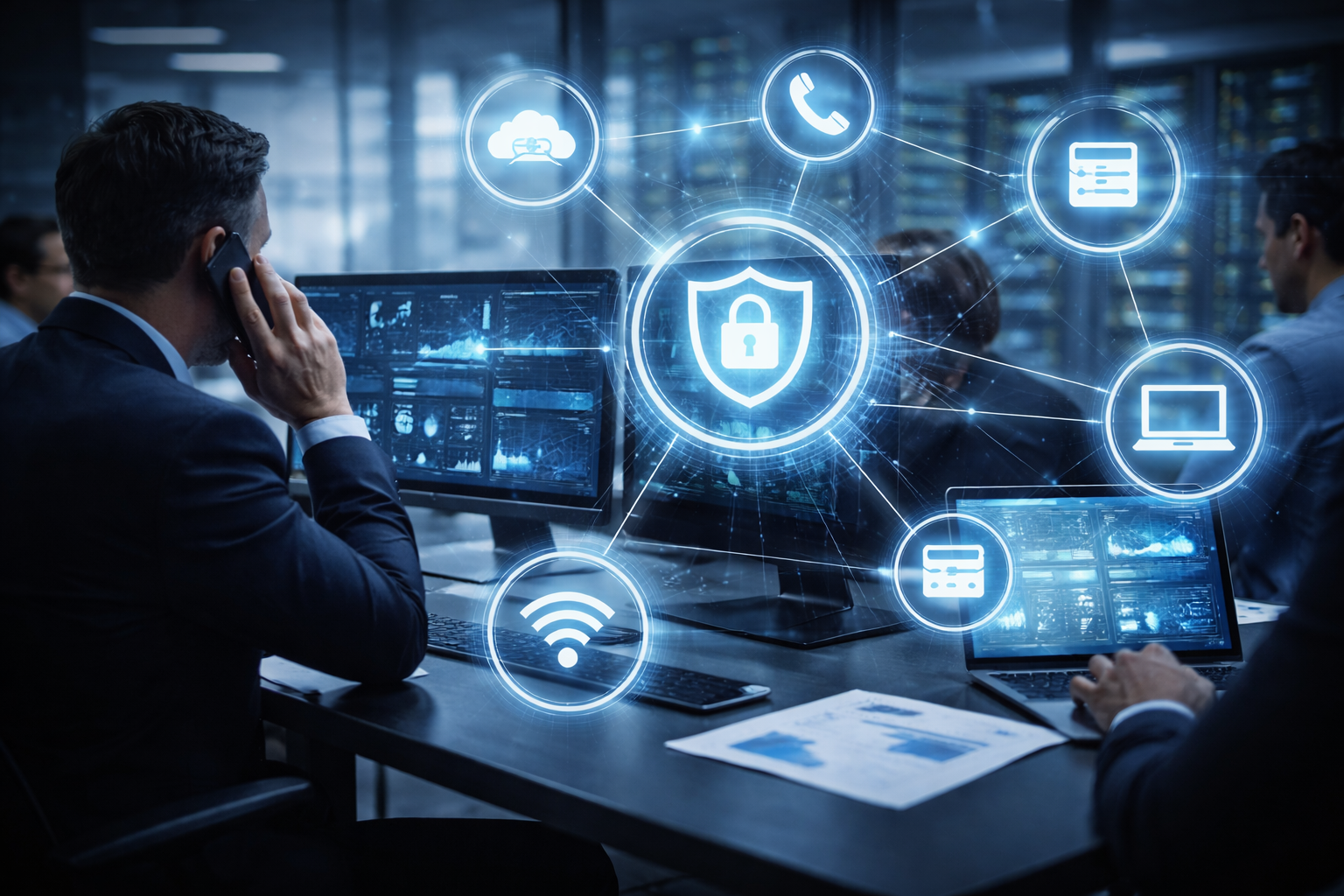
Hybrid work environments are no longer a temporary solution, they are now a permanent part of how modern businesses operate. Employees work from offices, home networks, coworking spaces, and while traveling. While this flexibility improves productivity and employee satisfaction, it also expands the attack surface for cybercriminals.
Secure remote access is essential for protecting sensitive data, maintaining compliance, and ensuring business continuity in today’s hybrid workforce.
Why Secure Remote Access Matters More Than Ever
In traditional office settings, data lived behind a clearly defined network perimeter. Hybrid work has changed that model entirely. Employees now access company systems from multiple devices and locations, often using unsecured networks.
Without proper security controls, businesses risk data breaches, ransomware attacks, and operational downtime. Secure remote access ensures that only authorized users can connect to business systems, no matter where they are located, while keeping data encrypted and protected.
Organizations that partner with experienced providers like Tier 3 Partners gain access to enterprise-grade security solutions designed specifically for today’s flexible work environments.
Common Security Risks in Hybrid Work Environments
When remote access isn’t properly secured, businesses face several serious risks:
- Unauthorized access due to weak or reused passwords
- Data breaches from unencrypted connections on public Wi-Fi
- Malware and ransomware infections from unmanaged personal devices
- Compliance violations in regulated industries such as healthcare, finance, and retail
These risks can lead to financial losses, reputational damage, and loss of customer trust, especially for small and mid-sized businesses without dedicated security teams.
Best Practices for Secure Remote Access
A layered security strategy is the most effective way to protect data in a hybrid work environment. Below are proven best practices every organization should follow.
1. Use Secure VPN Solutions
A Virtual Private Network (VPN) encrypts data traveling between users and company systems. This prevents attackers from intercepting sensitive information when employees work remotely.
Tier 3 Partners provides secure network and infrastructure services that help businesses implement and manage reliable VPN solutions tailored to their needs.
2. Enable Multi-Factor Authentication (MFA)
Multi-factor authentication adds an additional layer of security by requiring users to verify their identity beyond a password. MFA significantly reduces the risk of compromised credentials and unauthorized access.
3. Adopt a Zero Trust Security Model
Zero Trust security assumes no user or device is trusted by default. Every access request is verified, monitored, and restricted based on role and context, making it ideal for hybrid work environments.
4. Protect Endpoints and Devices
Remote endpoints must be secured with antivirus software, encryption, and regular updates. Endpoint protection prevents infected devices from spreading malware across the organization.
With managed IT services from Tier 3 Partners, businesses gain continuous monitoring and proactive device management.
5. Centralize Identity and Access Management
Identity and Access Management (IAM) tools allow businesses to control who can access applications, data, and cloud platforms. Access can be revoked instantly when employees leave or change roles.
6. Train Employees on Cybersecurity Awareness
Human error remains one of the biggest cybersecurity threats. Regular training helps employees identify phishing attempts, use secure passwords, and follow best practices when working remotely.
How Managed IT Services Strengthen Remote Security
Managing secure remote access internally can be overwhelming. A trusted IT partner helps design, implement, and maintain secure systems while monitoring for threats around the clock.
Tier 3 Partners delivers comprehensive security services, cloud solutions, and strategic IT consulting to help businesses stay protected without sacrificing flexibility. Learn more by connecting on LinkedIn or visiting their website.
Final Thoughts
Hybrid work is here to stay, and secure remote access is no longer optional. By implementing strong authentication, encrypted connections, endpoint protection, and employee training, businesses can protect their data while enabling productivity from anywhere.
If your organization is navigating the challenges of hybrid work, now is the time to invest in secure remote access solutions that protect your data, your people, and your future.
👉 Get expert guidance today at Tier3Partners.com

About the Author

Lindsay is the Director of Client Service Delivery. In addition to ensuring all client services are delivered accurately and timely she is able to easily identify weaknesses in a business and help streamline processes thanks to her Masters degree in Business Management from Indiana Univerity.
Contact Us
Toll-Free: 855-955-5600
Email: info@tier3partners.com
www.facebook.com/tier3partners
Join Our Newsletter
Share This Story, Choose Your Platform!
Related Posts
If you enjoyed reading this, then please explore our other articles below: